How to Clean a Space Heater (Before It Smells Like a Campfire)
That burning smell the first time you fire up your heater in fall isn't a defect — it's the dust that settled inside all summer. Cleaning it is a five-minute job that makes your heater safer, quieter, and cheaper to run.
October 29, 2026 · 6 min read · 1102 words
Every October, the same thing happens: you pull the space heater out of the closet, switch it on, and within thirty seconds the room smells like someone left a curling iron on a towel. Most people assume the heater is dying. A surprising number box it back up and return it, or worse, throw it away and buy a new one.
Here's the thing nobody tells you: that smell is almost never a defect. It's dust. The heater sat in a closet, a garage, or under a bed for eight months, quietly collecting everything that floats through your home — pet hair, dead skin, lint, and the fine grey fuzz that settles on every warm surface. The moment you give it power, the element hits several hundred degrees and starts slow-roasting that layer of filth. What you're smelling is not a broken machine. It's a dirty one.
The fix is not a replacement. It's five minutes with a vacuum and a cloth. And it's worth doing before the cold really settles in, because a dusty heater isn't just smelly — it's less efficient, louder, and in the worst case, a genuine fire hazard.
The Burning Smell Is Dust, Not a Defect
Let's separate the scary smell from the actually-scary ones, because knowing the difference will save you money.
The classic first-use smell is thin and slightly sweet or acrid, like singed hair or hot cardboard. It fades after ten to twenty minutes as the dust burns off. That is normal, and it will happen every single season unless you clean first. It doesn't mean anything is wrong with the heater.
The smell you should actually worry about is different. If the odor persists for hours, if you see smoke — not a faint wisp but visible grey smoke — or if the smell has a sharp, chemical, almost plastic-burning edge that doesn't go away, turn it off and unplug it. That can mean a component is overheating, a cord is damaged, or something melted inside. That's the one to take seriously.
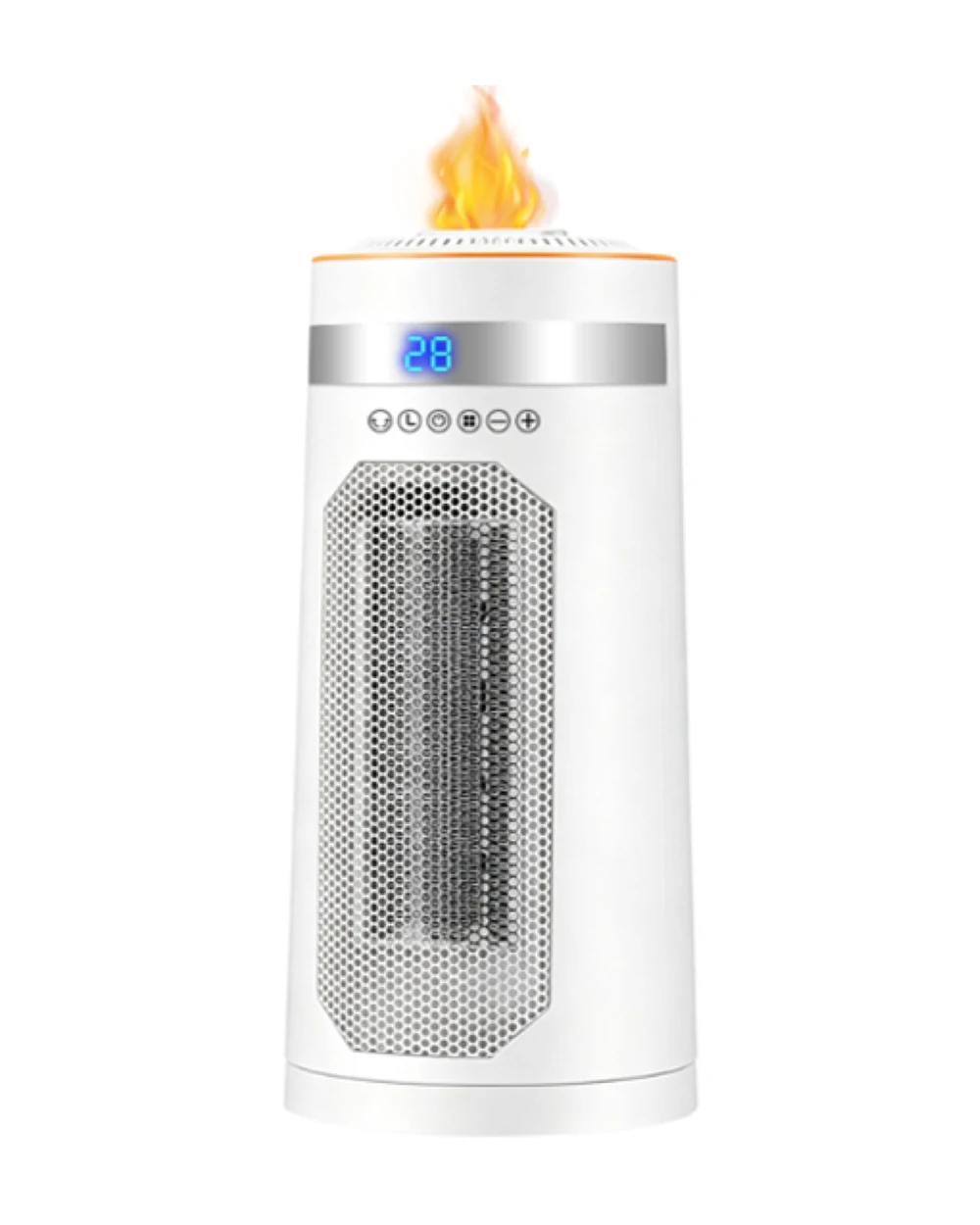
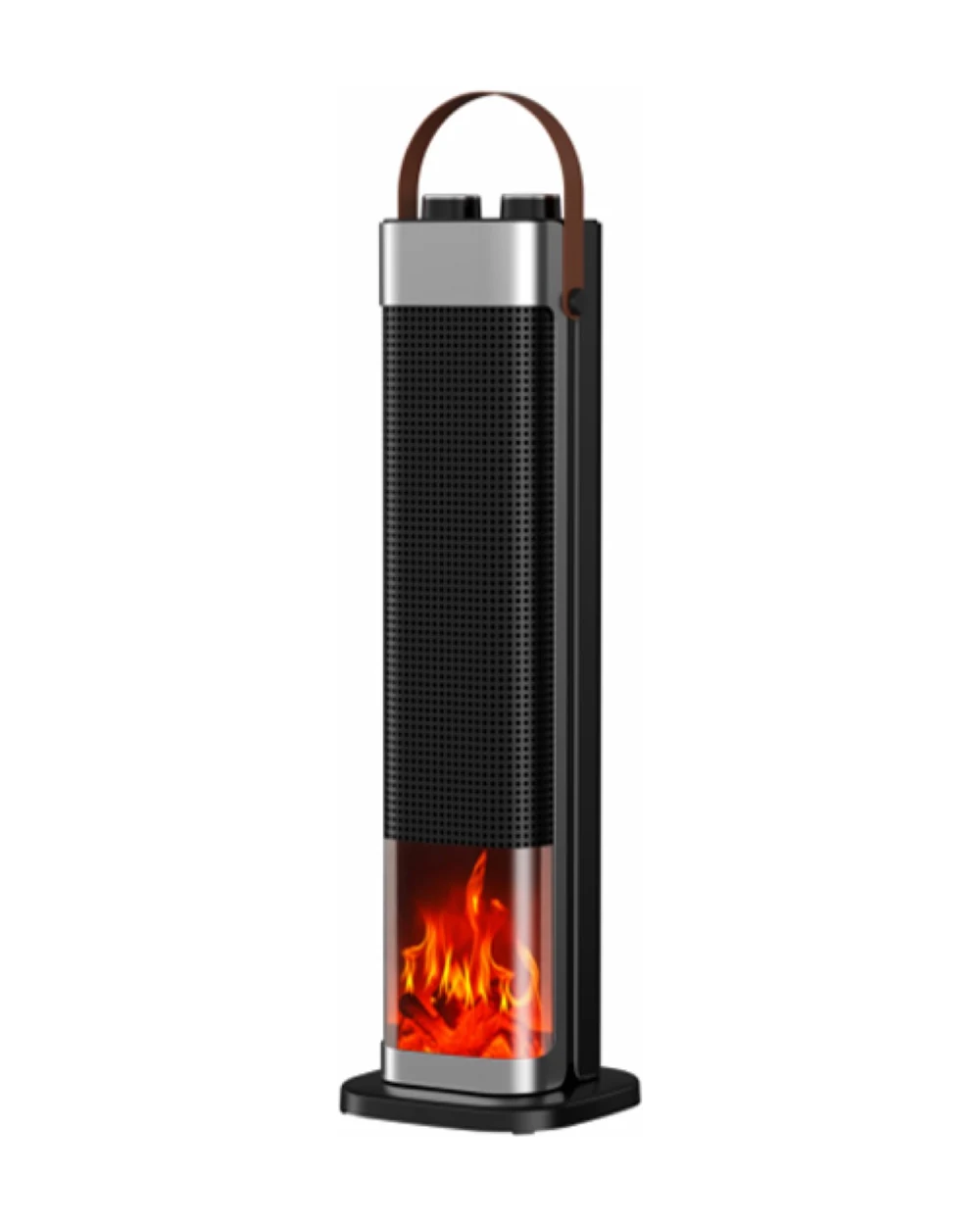
But for the overwhelming majority of us, the culprit is simply eight months of accumulated household dust. The element in a typical space heater — whether it's a ceramic element like the one in the Ember 1500 White, a quartz tube, or the flame-effect heating in a model like the Cinder Noir — runs hot enough to instantly scorch whatever has settled on it. Dust is the kindling. You just never noticed it because, well, who dusts the inside of a heater?
How to Clean It (Without Buying Anything Special)
You don't need a special spray, a service call, or a YouTube deep-dive. You need the three things already in your house: a vacuum, a dry cloth, and about five minutes.
First, unplug it. This is non-negotiable and worth saying out loud, because it's the step everyone skips when the heater is "off." Unplugged is off. Switched-off is not.
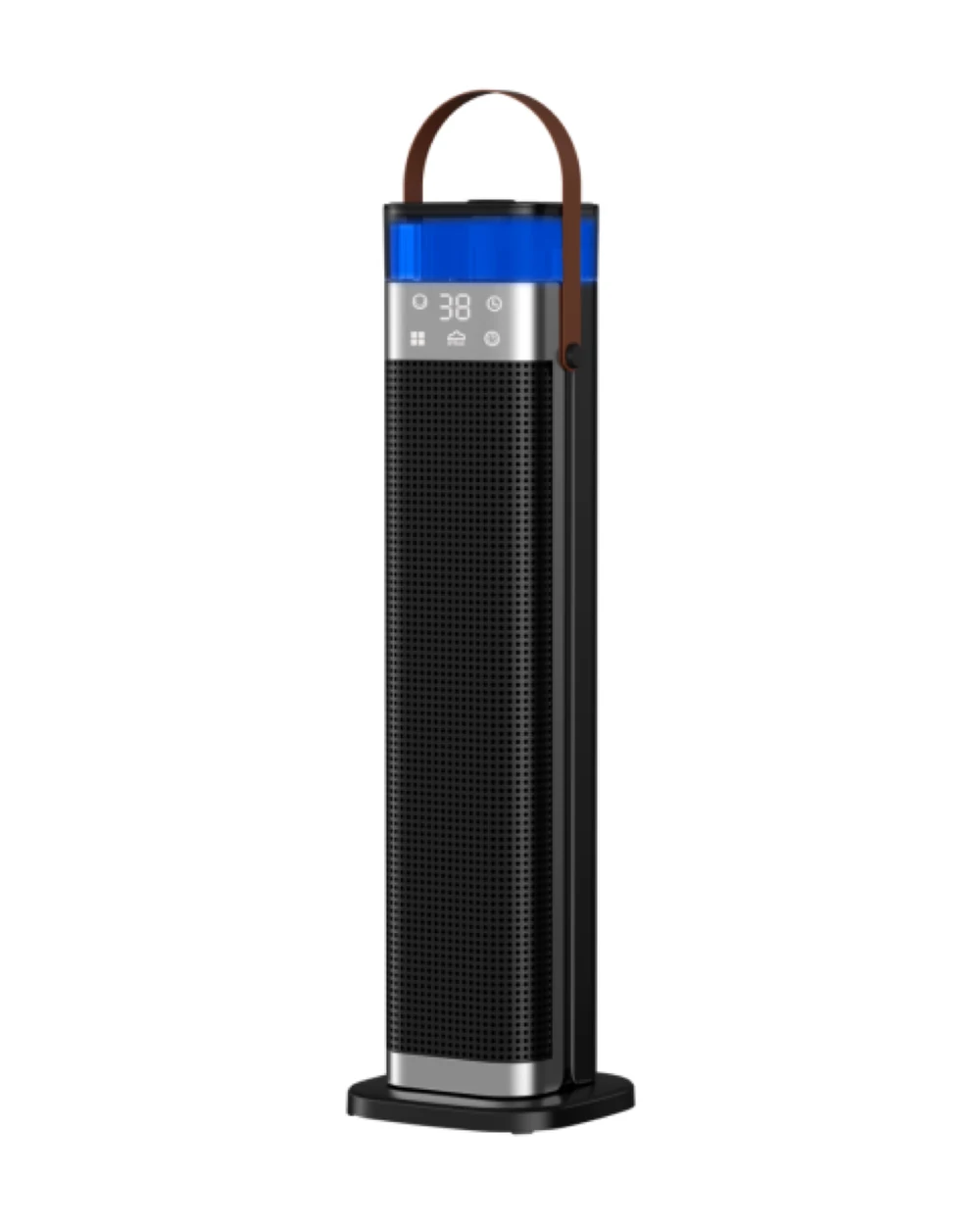
Second, vacuum the openings. Most of the dust lives where the air goes in and out — the intake grille at the back or bottom, and the exhaust at the front. Use a vacuum's crevice tool or brush attachment and go over every slot, seam, and grille. Don't shove the nozzle inside; hover close and let suction do the work. A heater with a removable or visible filter — some tower models like the Lumen Noir have washable intake filters — can have that filter pulled out and rinsed under cool water. Let it dry completely before putting it back. A damp filter in a live heater is a short circuit waiting to happen.
Third, blow out the crevices. If you have a can of compressed air, a few short bursts into the seams will dislodge what the vacuum can't reach. No compressed air? A dry paintbrush or even a clean makeup brush works surprisingly well for loosening dust in tight spots.
Fourth, wipe the body down with a barely-damp cloth. "Barely" is doing the work in that sentence. Wring it out until it can't drip, then wipe the exterior, the cord, and the plug. Never spray water, and never use it wet near the element. Give it a minute to air-dry before you plug it back in.
That's the whole routine. It costs nothing, and it's the difference between a heater that starts clean and one that announces itself with a smell you'll be apologizing for all evening.
The Parts People Forget (That Actually Cause Fires)
The burning smell gets all the attention, but the real safety work happens in the places nobody looks.
The element and the fins. Dust doesn't just smell — it insulates. A thick coating on the heating element means the heater has to work harder to push heat past its own grime, which wastes electricity and shortens the element's life. More importantly, deeply packed lint and hair against a hot element is exactly how small fires start. If you have pets, this is you: the intake grille on a floor heater is a magnet for fur, and fur is remarkably good at smoldering.
The cord and plug. Bend it, feel it, look at it. A cord that's cracked, kinked, or warm to the touch after use is a hazard, not a quirk. Heaters draw a lot of current, and a damaged cord turns that current into heat at the weakest point. If the plug or cord shows any damage, stop using the heater until it's repaired or replaced — no article about cleaning is worth an electrical fire.
The clearance around it. A clean heater with a clear foot of space on all sides is safe. A clean heater pressed against a curtain, a pile of laundry, or the back of a couch is not. Cleaning the machine matters, but so does cleaning the space it lives in. Give it room to breathe, and keep flammable fabric out of the blast radius.
Do It Now, Before the Cold Makes It a Chore
Cleaning a space heater in October takes five easy minutes. Cleaning one in February, when the house is freezing and you've already resigned yourself to the smell, feels like a punishment and never gets done.
So do it now, before you actually need the heat. Unplug it, vacuum the grilles, wipe it down, check the cord, and give it clear space. It will start cleaner, run quieter, cost a little less to run, and — most importantly — it won't smell like a campfire the first night you really need it.
Your heater isn't broken. It just needs a bath.
Referenced in this guide
Keep reading